
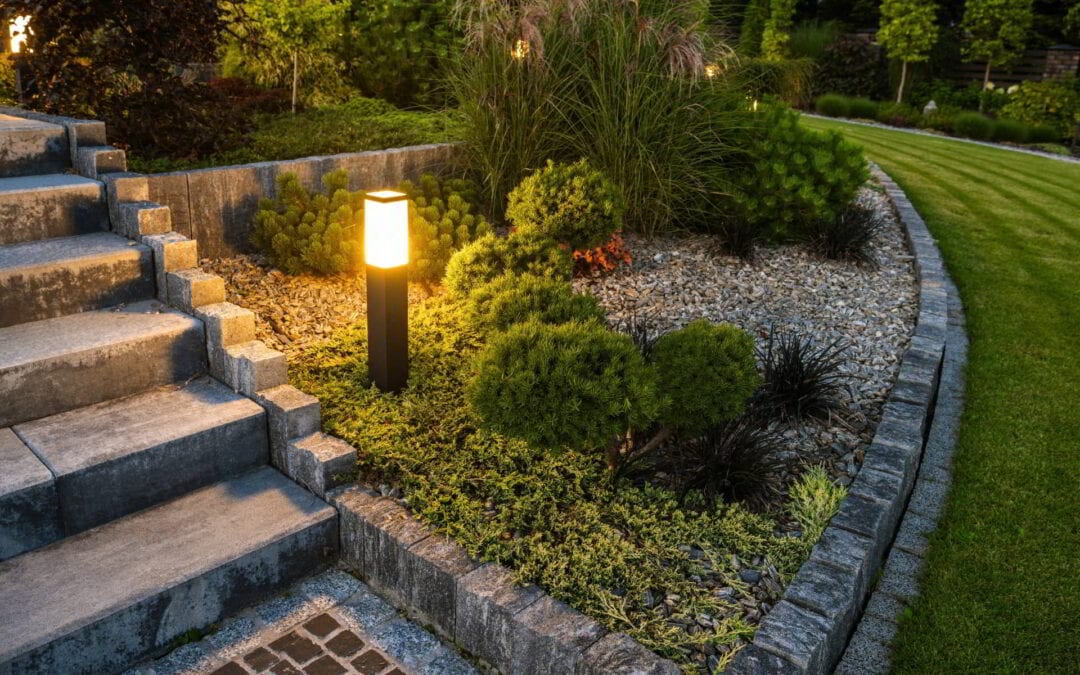

Camellia Creek Landscape specializes in creating stunning, functional outdoor spaces with expert design and craftsmanship. With a passion for detail and a commitment to quality, every project is thoughtfully designed to enhance both beauty and usability. From lush gardens to custom hardscapes, they bring visions to life with creativity and care.
Low-maintenance landscaping gives homeowners and business owners an attractive outdoor space without filling every weekend with mowing, watering, trimming, and weed removal. Ideas for a low-maintenance yard can reduce recurring chores by matching plants and materials to the conditions already present on the property. The following sections cover native vegetation, smaller lawns, ground covers, mulch, perennial flowers, irrigation controls, hardscaping, planting zones, and seasonal care. A professional landscaper can connect these features through a plan that supports appearance, property use, drainage, and manageable upkeep.
- Study sunlight, soil, and drainage before selecting plants.
- Keep lawn only where grass serves a clear purpose.
- Choose materials based on their future care requirements.
Low-Maintenance Landscaping Ideas
Thoughtful planning prevents property owners from replacing struggling plants or repairing the same troublesome areas each season. A professional landscaper may inspect a commercial entrance where turf thins beneath shade trees, then adjust the lawn care plan by replacing weak grass with mulch and adapted ground cover. The finished space requires less mowing and fewer repair visits. Experience shows that the easiest yard to maintain is usually the one designed around existing conditions rather than personal preference alone.
- Identify spots where plants or turf repeatedly fail.
- Measure sunlight at separate times of day.
- Review access needs for people, equipment, and deliveries.
1. Choose Native Plants
Native plants have developed within regional temperatures, rainfall patterns, wildlife systems, and soil conditions, which can make established specimens easier to manage than species from distant climates. The U.S. Forest Service explains that native plant material supports plant communities, ecosystems, and genetic diversity. A professional landscaper can choose species for sunny borders, damp depressions, shaded foundations, or dry parking areas instead of placing one plant throughout the property. New plants still need water and observation while roots become established.
- Check mature height and width before planting.
- Select species suited to the available moisture.
- Avoid plants considered invasive in the region.
2. Reduce Lawn Areas
Large lawns demand mowing, edging, watering, fertilizing, aerating, and weed control, even in sections that receive little foot traffic. Homeowners can retain grass around play spaces and gathering areas while business owners may keep turf near entrances or signs, then convert narrow strips, steep slopes, and shaded corners into planted beds. A professional landscaper can identify which lawn sections create work without providing much value. Less turf often means fewer chores.
- Keep grass in recreation and event areas.
- Replace difficult slopes with rooted plantings.
- Convert cramped strips beside fences or pavement.
3. Install Living Ground Covers
Ground-cover plants spread across exposed soil, helping suppress weeds and reducing the need to mow spaces where turf performs poorly. Plant choices should reflect sunlight, drainage, foot traffic, climate, and growth habits because some species spread far beyond the intended bed. A professional landscaper can calculate spacing so plants fill the area without becoming overcrowded. Patience matters during establishment, since most ground covers need time before forming a connected layer.
- Use shade-tolerant varieties beneath tree canopies.
- Select walkable plants near garden paths.
- Install edging around spreading species.

4. Add Mulched Beds
Mulch reduces weed growth, slows moisture loss, cushions the soil from rainfall, and creates defined planting areas around trees and shrubs. The University of Minnesota Extension recommends applying mulch two to four inches deep while leaving a six-inch ring around tree trunks to reduce decay and insect concerns. A professional landscaper can choose wood chips, shredded bark, pine straw, leaves, or another material suited to the setting. Volcano-shaped piles around trunks should be avoided.
- Spread mulch at a consistent depth.
- Pull material away from stems and bark.
- Refresh beds after decomposition or washout.
5. Select Slow-Growing Shrubs
Fast-growing hedges may look appealing at the nursery, yet repeated trimming can become a major maintenance task once branches extend across walkways, windows, signs, and parking spaces. Slow-growing shrubs placed according to their mature dimensions often keep their intended form with fewer pruning visits. A professional landscaper can compare natural shape, seasonal leaf drop, flowering habits, root spread, and pest concerns before recommending a shrub. Proper spacing prevents future crowding.
- Read mature plant dimensions rather than container size.
- Keep shrubs clear of doors and mechanical equipment.
- Choose natural forms that require limited shaping.
6. Grow Perennial Flowers
Perennial flowers return for several growing seasons, reducing the yearly labor associated with filling entire beds with annual plants. A professional landscaper can combine varieties with separate bloom periods so the landscape changes through spring, summer, and fall without requiring a full seasonal replacement. Some perennials need division, cutting back, or occasional deadheading, but those tasks may take less time than repeated planting. A mixed bed can still look organized when height and spread are planned.
- Stagger bloom periods for longer color.
- Place taller plants behind shorter varieties.
- Choose species that tolerate local conditions.

7. Improve Irrigation Controls
Automatic irrigation reduces hand watering only when each zone matches the plants growing within it. The U.S. Environmental Protection Agency reports that outdoor use accounts for more than 30 percent of average household water use, while a WaterSense-labeled controller can cut irrigation use by about 15 percent and save nearly 7,600 gallons each year for an average home. A professional landscaper can separate turf from planting beds, add drip lines, repair leaks, and adjust watering schedules by season. Better controls reduce waste and plant stress.
- Install rain shutoff or weather-based controls.
- Inspect sprinkler heads for blocked spray patterns.
- Water according to plant type and soil condition.
8. Choose Lasting Hardscaping
Patios, gravel sections, stepping stones, and permeable pavers can replace areas that are awkward to mow or difficult to plant. Hardscaping still requires care, though correct grading, edge restraints, stable base material, and suitable drainage reduce settling and weed growth. A professional landscaper can select surfaces based on foot traffic, vehicle loads, accessibility, rainfall, and surrounding architecture. Poor installation creates more maintenance rather than less.
- Use permeable materials where runoff is a concern.
- Prepare a stable base beneath paths and patios.
- Leave planting space around mature tree roots.
9. Group Similar Plants
Plants with matching sunlight, soil, and watering needs are easier to care for when they occupy the same landscape zone. One bed may contain drought-tolerant species, another may support plants that prefer damp soil, and a shaded courtyard may require an entirely separate group, which keeps watering and troubleshooting more focused. A professional landscaper can organize these zones while maintaining balance across the property. Random placement makes maintenance confusing.
- Separate drought-tolerant plants from thirsty varieties.
- Group shade plants beneath existing canopies.
- Keep high-care flowers near accessible walkways.

10. Plan Seasonal Maintenance
Low-maintenance landscaping still needs scheduled attention, but a short list of timely tasks can prevent larger problems from developing. Seasonal work may include checking irrigation, removing aggressive weeds, renewing mulch, pruning selected plants, clearing drains, and watching for disease symptoms. A professional landscaper can build a calendar around the species and features present on the property instead of following a generic checklist. Consistent observation saves labor later.
- Inspect irrigation before peak watering season.
- Prune plants according to their growth cycle.
- Remove weeds before they produce seeds.
Healthy Soil Needs Less Work
Soil condition affects almost every maintenance task because weak structure can contribute to runoff, poor root growth, dry spots, and repeated plant failure. The Natural Resources Conservation Service states that organic matter supports water infiltration, reduces runoff, and can hold far more water and nutrients than the same amount of soil minerals. A professional landscaper may recommend testing, compost, aeration, or selected amendments after examining the site. Soil treatments should address a measured problem rather than follow guesswork.
- Test soil before applying fertilizer or lime.
- Limit equipment traffic across saturated ground.
- Add organic matter when results support the choice.
Professional Landscaper Key Takeaways
A low-maintenance yard comes from reducing unnecessary work rather than ignoring plant care. Native species, smaller lawn sections, well-placed ground covers, suitable mulch, controlled irrigation, measured hardscaping, and organized plant zones all support a more manageable property. A professional landscaper can rank these changes according to cost, drainage, appearance, and the hours spent on current upkeep. The smartest plan corrects the sections causing repeated trouble first.
- Match every plant to sunlight, moisture, and soil.
- Remove turf from places where grass struggles.
- Group plants according to shared care needs.
- Use irrigation controls that respond to weather.
- Schedule brief maintenance before problems spread.

Low-Maintenance Yard Questions
What Makes Landscaping Easier?
Plant compatibility, reduced turf, practical bed shapes, and suitable irrigation make a property easier to maintain. A professional landscaper can also reduce overlapping care needs across the yard.
Do Native Plants Need Care?
Native plants still need watering while their roots develop, along with occasional pruning and weed control. Established plants often require less attention because they are suited to regional conditions.
How Much Lawn Should Stay?
The right amount depends on how the property is used. Grass can remain in play areas, gathering spaces, and open sections while shaded or difficult spots are replaced.
Which Mulch Needs Less Care?
Coarse wood chips often last longer than finely shredded mulch, while pine straw can work well on slopes. The best choice depends on rainfall, bed angle, appearance, and replacement needs.
Can Landscaping Lower Upkeep?
Landscaping can reduce upkeep by removing problem areas, grouping plants with similar needs, and improving irrigation. A professional landscaper can identify which changes will save the most time.