
Camellia Creek Landscape specializes in creating stunning, functional outdoor spaces with expert design and craftsmanship. With a passion for detail and a commitment to quality, every project is thoughtfully designed to enhance both beauty and usability. From lush gardens to custom hardscapes, they bring visions to life with creativity and care.
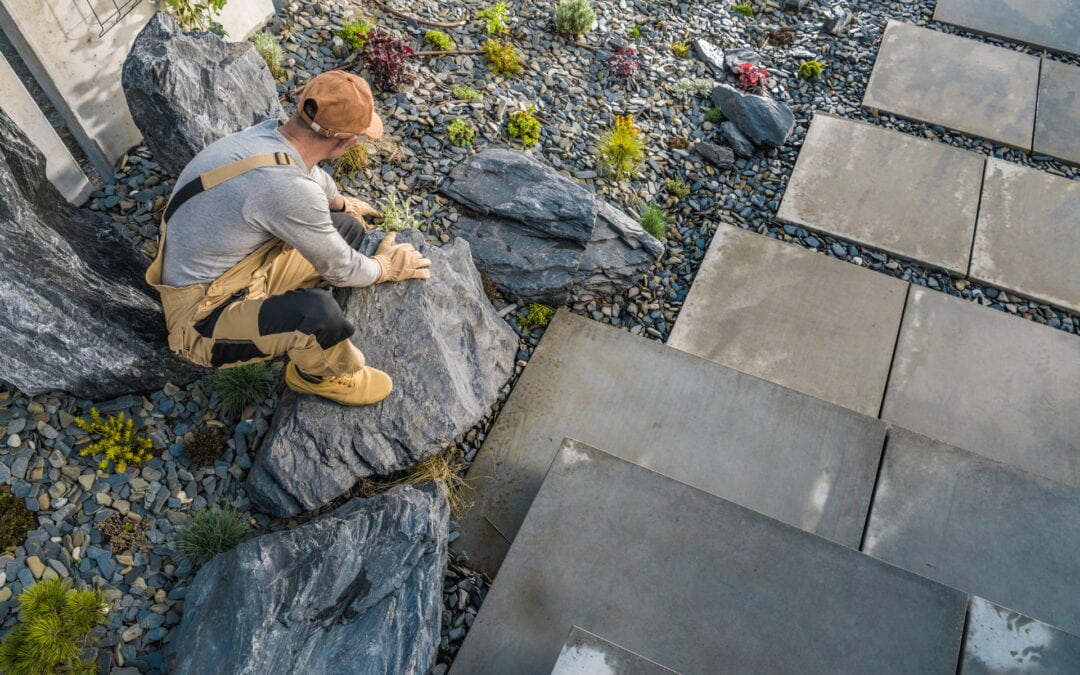
Hardscaping refers to the use of non-living elements in landscape design, incorporating materials such as stone, concrete, and metal to create durable outdoor spaces. This landscaping approach enhances both the functionality and aesthetic appeal of properties. Hardscaping consists of the built aspects of landscaping, such as patios, walkways, and retaining walls. These elements are not only foundational to the garden’s structure but also add a permanent, aesthetic appeal that softscaping with plants cannot always provide. A professional landscaper can help balance hard surfaces with plantings, drainage, and usable outdoor space. The EPA explains that stormwater runoff is generated when rain or snowmelt flows over impervious surfaces such as paved streets, parking lots, and rooftops instead of soaking into the ground, making runoff management an important part of hardscaping design.
Hardscaping
A well-designed patio serves as a durable entertainment area that withstands seasonal changes and heavy use. EPA explains that permeable pavement systems can store rainwater in underlying layers of soil and gravel, making permeable hardscaping materials useful when homeowners want patios or walkways that help manage runoff.
- Creates defined areas within the garden
- Offers year-round utility regardless of weather
- Requires less maintenance than traditional garden beds
Benefits of Hardscaping
Integrating hardscaping into a property’s landscape design brings numerous advantages. It significantly boosts the property’s curb appeal, thereby potentially raising its market value. More so, it can transform unusable areas into functional outdoor living spaces, and manage land erosion issues effectively, especially in sloped areas. Proper drainage is important for hardscaping projects.
- Increases property resale value
- Reduces soil erosion in critical areas
- Enhances outdoor living space usability
- Proper drainage planning is critical to the success of any hardscaping project
Selecting the right materials is crucial in hardscaping. Natural stone, while often more expensive, provides a unique, timeless aesthetic that complements any garden. Concrete offers versatility through various finishes and colors, and wood introduces warmth and a classic look that ages beautifully with time.
- Stone for durability and natural beauty
- Concrete for versatility in design
- Wood for a warm, traditional appearance
- Brick and pavers offer flexible patterns and can simplify future repairs.
- Gravel works well for pathways, drainage areas, and lower-cost decorative surfaces.

Hardscaping Design Ideas
Effective hardscaping merges functionality with style. Pathways not only guide visitors through garden areas but also protect lawn areas from foot traffic. Patios provide a solid base for outdoor dining and relaxation, while retaining walls can both prevent soil erosion and offer elevated garden beds.
- Pathways that direct movement and protect lawns
- Patios as focal points for entertainment
- Retaining walls to prevent erosion and enhance aesthetics
- Built-in seating can add function while reducing the need for extra outdoor furniture.
Hardscaping Maintenance Tips
While hardscaping generally requires less maintenance than softscaping, certain practices ensure its longevity. Regular cleaning and the occasional sealing can prevent weathering and staining, especially in high-traffic areas. Inspecting and rectifying minor damages can prevent costly repairs later.
- Regular cleaning to maintain appearance
- Sealing surfaces to extend lifespan
- Prompt repairs to minimize future expenses
Choosing the Right Landscaper
The success of a hardscaping project often hinges on the expertise of the landscaper. It’s essential to choose professionals who are experienced and can showcase a portfolio of successful projects. This ensures that they can interpret your needs and translate them into a practical, aesthetically pleasing outdoor space.
- Experience in various hardscaping projects
- Ability to provide detailed project plans
- Proven track record of quality workmanship

Key Takeaways in Hardscaping Insight
- Hardscaping enhances property aesthetics and utility
- Choosing the right materials and designs is crucial for success
- Regular maintenance ensures the longevity of hardscape features
- Proper drainage planning helps prevent water from collecting around patios, walls, and walkways.
- Well-placed hardscape features can create clearer zones for dining, relaxing, gardening, and entertaining.
Frequently Asked Questions
What is the best material for hardscaping?
The best material depends on your climate, budget, and style preference. Natural stone is highly durable and aesthetically pleasing but can be expensive. Concrete is versatile and less costly, offering various design options.
How does hardscaping add value to my home?
Hardscaping improves curb appeal and functionality, making your home more attractive to potential buyers and increasing its market value.
Can hardscaping reduce yard maintenance?
Yes, by replacing more labor-intensive lawns and gardens with durable surfaces, hardscaping can significantly reduce the need for regular maintenance.
How long does a hardscaping project take to complete?
The duration depends on the project’s complexity and size, ranging from a few days for simple patios to several weeks for more intricate designs involving multiple features.
Is hardscaping environmentally friendly?
Hardscaping can be environmentally sustainable when designed thoughtfully. Permeable pavers, for instance, allow water to filter through and recharge groundwater, reducing runoff and erosion.